

Editor’s Note: Each month, the BLAQUE Kansas City team curates key reads shaping education in Kansas City and beyond.
Across the country, the educator workforce is evolving—from new pathways into the profession and emerging technology to changing models of instruction and opportunities for educator voice.
Together, these shifts are raising important questions about how we recruit, prepare, support, and retain the next generation of educators.
1
Teachers Are Navigating the Rise of AI in Education
Context: Artificial intelligence is becoming increasingly common in education. A recent ABC News story looks at how teachers across the country are encountering and using AI in their classrooms, including for tasks such as developing lesson plans and study guides, organizing data, and providing feedback to students.
The story also highlights some of the questions educators are navigating as AI becomes more prevalent, including accuracy, student use, academic integrity, and how the technology fits into teaching and learning.
Why this matters: AI has quickly become part of a broader national conversation about the future of education.
Teachers, students, schools, and districts are approaching the technology in different ways, making AI an increasingly important area to watch as education systems determine how—or whether—these tools fit into classrooms and educators’ work.
What’s next: As the technology continues to develop, schools and educators will continue determining how they approach its use, what policies and practices they put in place, and what its growing presence could mean for teaching and learning.

2
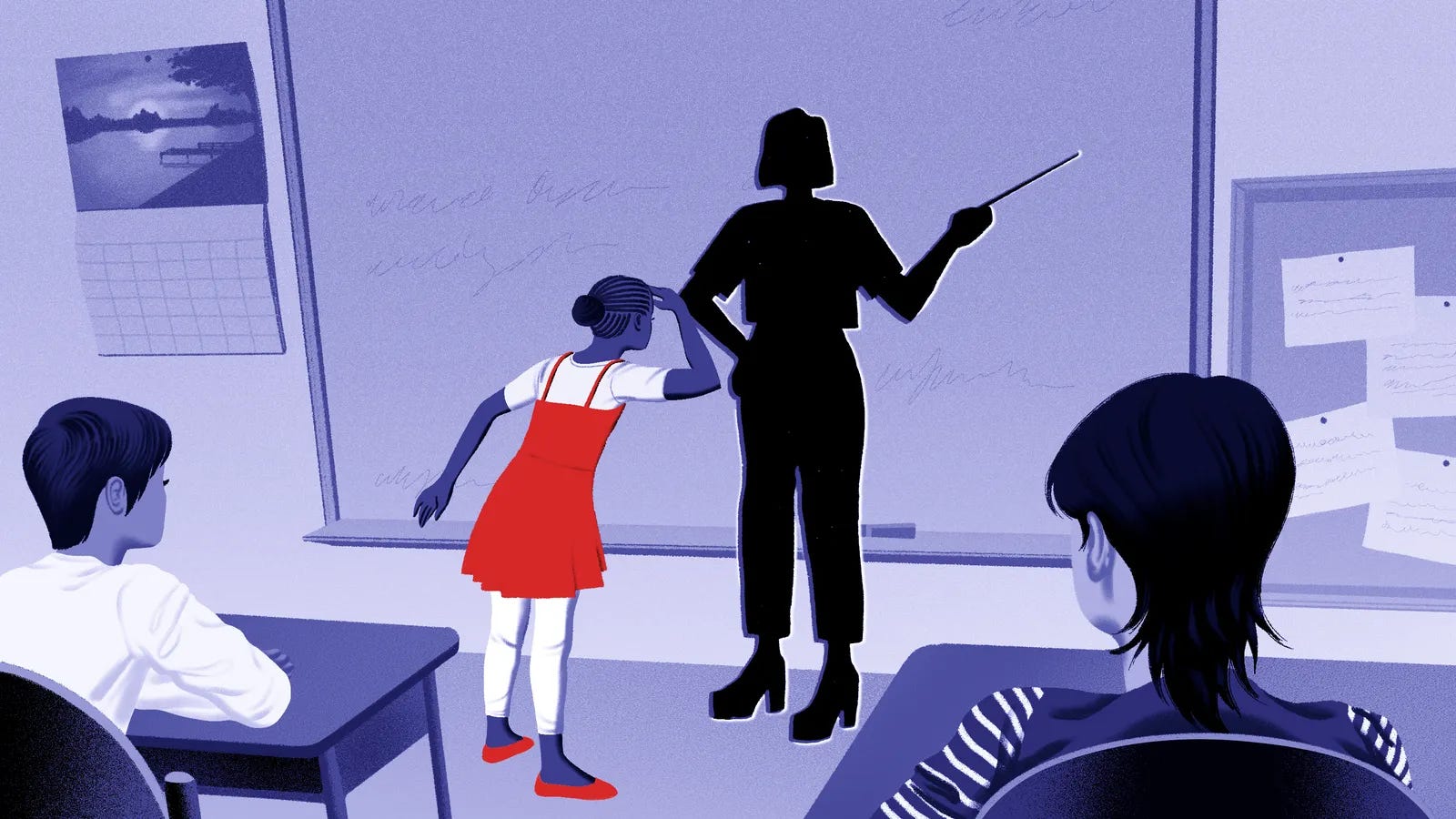
Teacher Apprenticeships Are Creating New Routes Into the Profession
Context: Teacher apprenticeships have expanded rapidly across the country as states search for new ways to address educator shortages. K-12 Dive reports that every state has now established a registered teacher apprenticeship program with the U.S. Department of Labor, and 44 states and Washington, D.C., have implemented programs that help aspiring educators earn a degree or credential while training in the classroom.
Unlike traditional preparation models, apprenticeships allow aspiring teachers to gain hands-on experience while progressing toward certification—creating another entry point into the profession.
Why this matters: There is no single pathway into teaching, and building a stronger educator workforce requires creating multiple ways for talented people to enter the profession.
What’s next: The continued growth of teacher apprenticeships raises a broader question for communities working to strengthen their educator pipelines: How can preparation become more accessible, practical, and better aligned with the workforce needs of local schools?
3
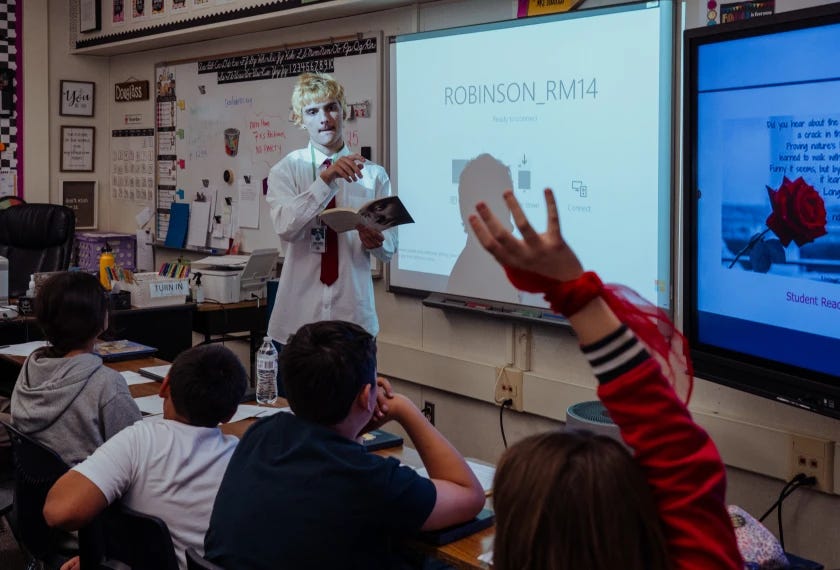
Demand for Online Teachers Is Surging in Missouri
Context: Demand for virtual education is growing across Missouri. St. Louis Public Radio reports that enrollment in the state’s full-time virtual learning program for K–12 students has quadrupled since Missouri streamlined enrollment following the COVID-19 pandemic.
That growth comes as some educators look for alternatives to traditional classroom teaching, creating new opportunities—and new questions—about what teaching can look like.
Why this matters: The educator workforce is not only changing in size. It is changing in structure.
Virtual teaching may provide some educators with greater flexibility or a different way to remain in the profession. At the same time, its growth underscores the importance of understanding what educators are seeking from their careers and how schools can create working conditions that attract and retain talented people.
What’s next: The broader challenge is ensuring that innovation in how education is delivered remains centered on quality—giving students access to excellent instruction while creating sustainable career opportunities for the educators who serve them.

4
Building the Teacher Pipeline Could Start in High School
Context: What if building the next generation of educators started before students even graduate from high school?
New research highlighted by Education Week examines high school teacher academies designed to introduce students to careers in education early. Students who completed education courses in high school were four times as likely as their peers to eventually become teachers.
But the research also identified a significant challenge: fewer than one in 10 ultimately entered the profession, with gaps in college enrollment and completion creating major breaks in the pathway, particularly for Black and Hispanic students.
Why this matters: Building a strong educator workforce cannot begin when a school has an open position. It requires cultivating interest in teaching years earlier and creating clear, accessible pathways that help aspiring educators turn that interest into a career.
High school programs can be an important starting point, particularly for communities seeking to develop educators who reflect the students they serve. But exposure alone is not enough. Students also need financial support, preparation opportunities, connections to higher education, and a clear path toward certification and employment.
What’s next: The research points to the importance of viewing the educator pipeline as a connected system rather than a collection of individual programs.
High school exposure, college and credentialing support, apprenticeships, classroom experience, placement, and retention all play a role. The opportunity is ensuring those pieces connect so that an early interest in teaching can become a sustainable career.
5
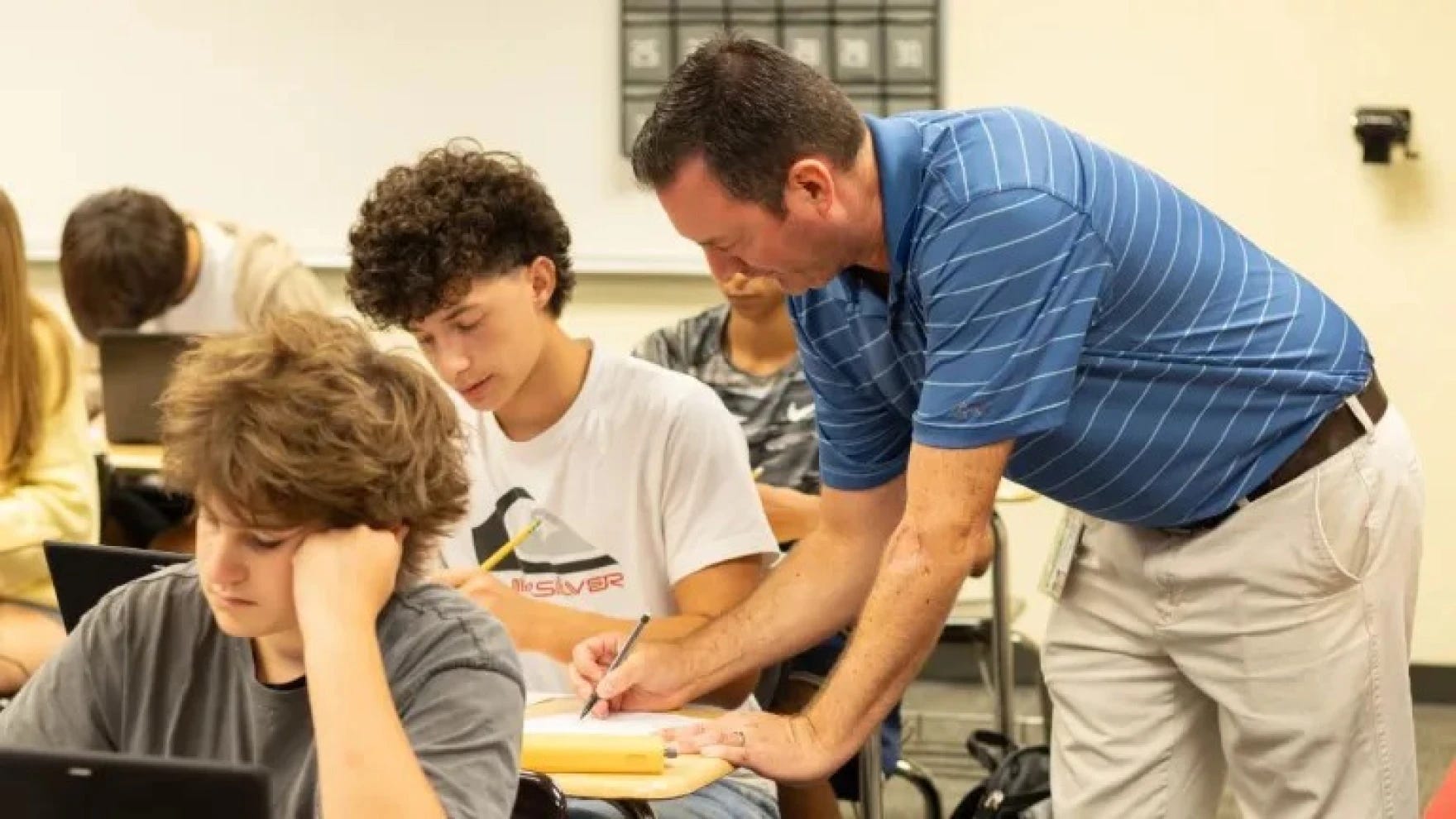
Missouri Gives Classroom Teachers a New Voice in State Education Policy
Context: For the first time, an active classroom teacher has a seat on the Missouri State Board of Education.
As The Beacon and KCUR report, Park Hill High School math teacher Mike McDonald joined the board this summer as a nonvoting member. The Missouri General Assembly created the position for a current classroom teacher in 2018, but the seat had never previously been filled.
The State Board plays an important role in Missouri public education, including setting educational standards, establishing professional requirements for educators, accrediting school districts, and appointing the state’s commissioner of education.
Why this matters: The people closest to students experience the impact of education policy every day.
Bringing an active educator into statewide conversations creates another opportunity to connect policy-level decisions with classroom realities. It also reinforces an important principle: strengthening the educator workforce means not only recruiting and retaining teachers, but listening to them.
What’s next: McDonald’s appointment creates a new avenue for classroom experience to inform statewide education discussions.
As Missouri continues conversations around accountability, school quality, educator preparation, and other issues affecting public education, incorporating the perspectives of those doing the work can help ensure policies are grounded in a clearer understanding of how they ultimately affect educators and students.
Closing Thought
There is no single solution to building a stronger educator workforce.
This month’s reads show how the profession is evolving—from new pathways into teaching and emerging technology to new models of instruction and opportunities for educator voice.
Building a sustainable workforce means creating an ecosystem that attracts people to the profession, prepares and supports them, and gives them meaningful reasons to build long-term careers in education.
Because the future of our schools depends on the people we inspire, prepare, and empower to lead our classrooms.