

Editor’s Note: Each month, the BLAQUE Kansas City team curates key reads shaping education in Kansas City and beyond.
As students and educators return to classrooms across the region, a new school year brings renewed attention to some of the biggest questions facing public education: How do we define school quality? How do we build and sustain a strong educator workforce? And what do teachers and students need to thrive?
Here in Missouri, those questions are taking on new urgency. The state is preparing to introduce an A–F school accountability system designed to give families a clearer picture of academic performance. At the same time, districts across the Kansas City region continue navigating educator shortages, a shrinking teacher pipeline, and the challenge of attracting and retaining talented educators.
This month’s wrap-up explores these issues as the 2026–2027 school year begins.
1
Missouri Is Changing How Families See School Performance
Context: Missouri is preparing to introduce a new A–F school report card system that will assign every public and charter school a letter grade based largely on academic performance and growth. High schools will also be evaluated on measures including graduation rates and college and career readiness. The State Board of Education is expected to consider the framework ahead of its planned rollout this fall.
Why this matters: We believe that families deserve clear, accessible information about how schools are serving students. This is just one of the many tools they will have to hold our schools accountable for delivering quality outcomes for our children.
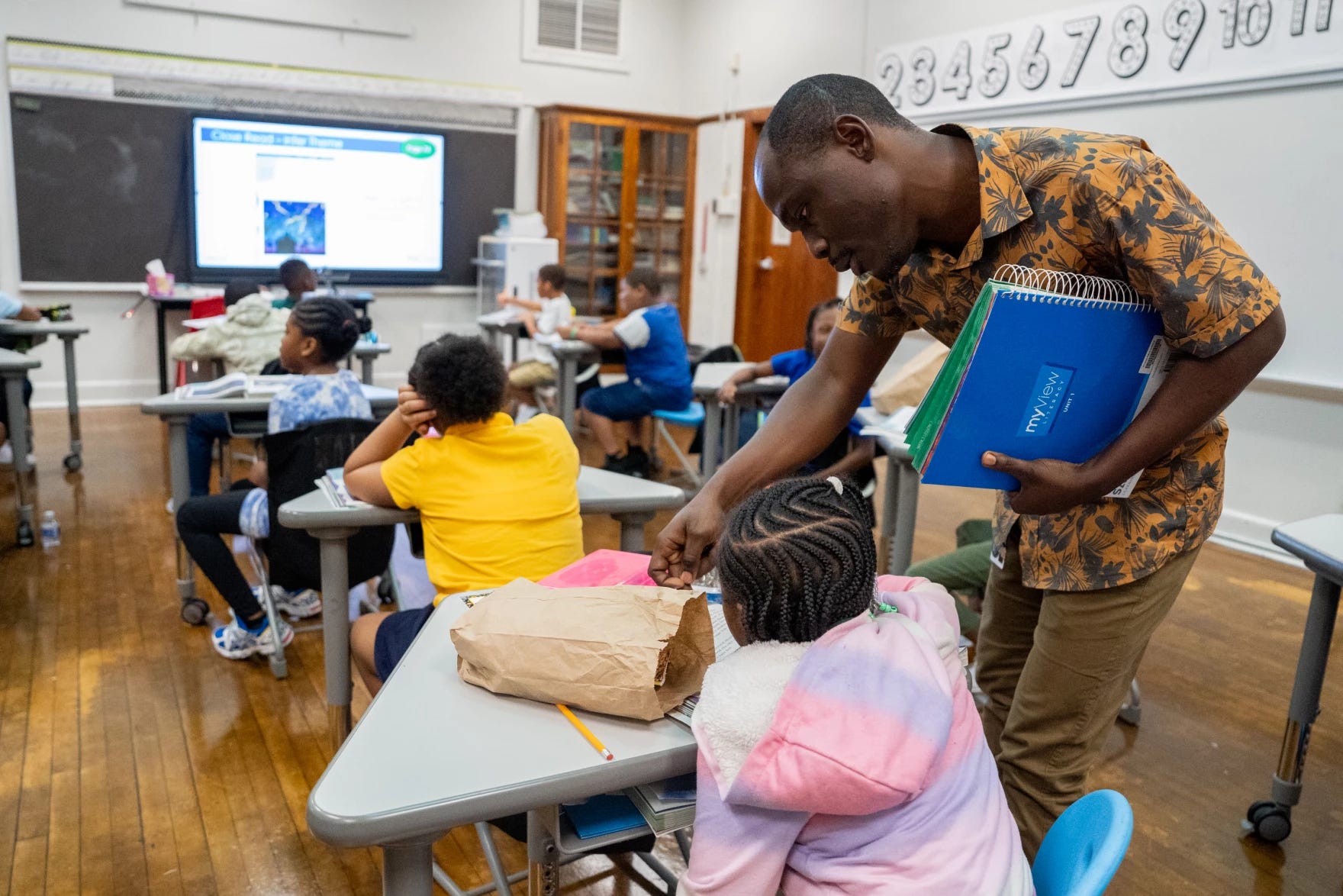
Last month, BLAQUE Kansas City brought community members together for Defining the Future of Education, a conversation focused on Missouri’s emerging A–F framework and what greater transparency could mean for families and communities.
What’s next: As Missouri moves toward implementation, the conversation cannot end with the letter on a report card. The real opportunity is ensuring families understand what the information means and that communities can have honest, informed conversations about what students need to succeed.
2
Teacher Shortages Are Changing What the Classroom Looks Like
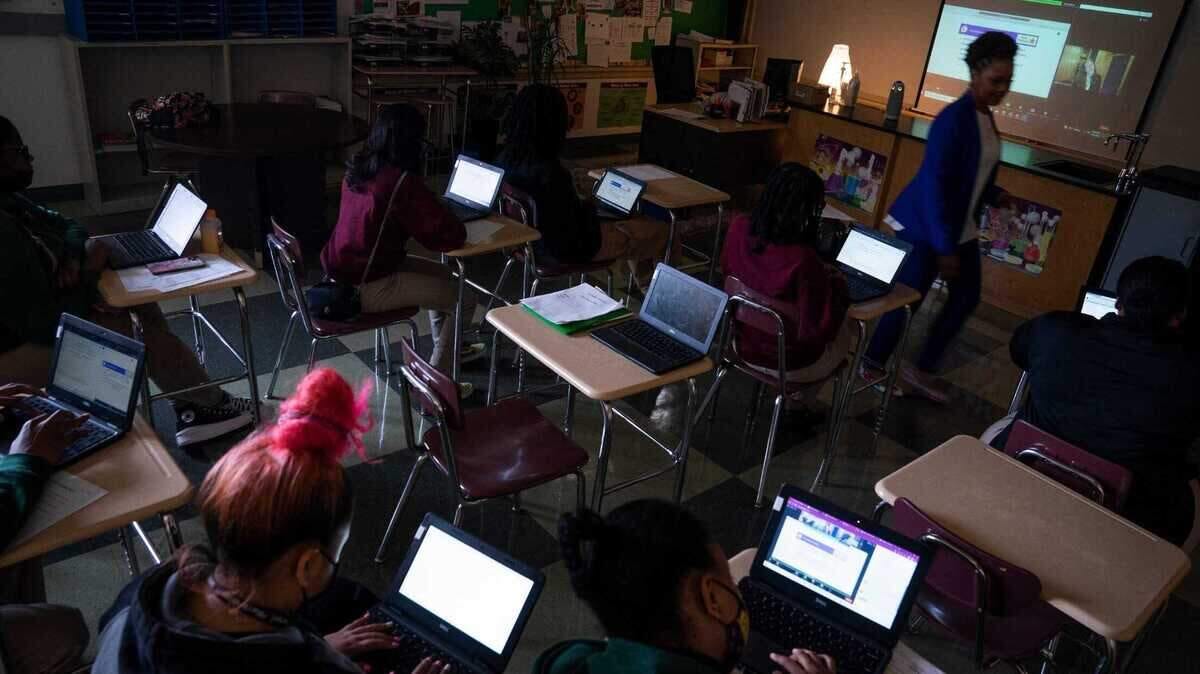
Context: A recent Kansas City Star story examines how persistent educator shortages are affecting classrooms in the Kansas City region. As districts work to fill hard-to-staff positions, some are turning to alternative approaches, including virtual instruction, to ensure students have access to teachers in critical subject areas.
Why this matters: Teacher shortages aren’t an abstract workforce challenge. They have real implications for students, schools, and the way instruction is delivered.
Ensuring every student has access to a well-prepared, supported educator requires more than filling vacancies as they appear. It requires building a sustainable pipeline of people who can enter the profession, develop their skills, find the right placement, and build long-term careers in education.
What’s next: Kansas City has an opportunity to address the challenge at its source. Through Teach KC, we are working with eight partners to recruit, prepare, place, and retain 1,500 new teachers over the next decade.
Supported by a $13 million implementation grant from the Ewing Marion Kauffman Foundation, the initiative represents a long-term investment in the people who make strong schools possible.
3
Fewer Vacancies Don’t Mean the Teacher Pipeline Is Fixed
Context: As the new school year begins, Kansas City-area superintendents are reporting fewer teacher vacancies than in previous years. But district leaders are also pointing to a longer-term concern: fewer people are graduating from teacher preparation programs, leaving school systems competing for talent from an increasingly limited pool.
Why this matters: Vacancy numbers offer only a snapshot of the educator workforce. A district beginning the year with fewer open positions is good news, but it doesn’t eliminate the need to build a stronger pipeline for the years ahead.
The challenge requires thinking beyond the next hiring cycle and investing in the systems that bring more people into teaching and support them throughout their careers.
What’s next: Kansas City’s ability to recruit and retain talented educators over the long term will require coordinated pathways into the profession, stronger preparation and placement systems, and meaningful support that gives educators reasons to build their careers here. With Teach KC, we’re turning that vision into a reality.
4
Getting Teachers Into High-Needs Schools Takes More Than Recruitment
Context: A recent Education Week article asks what it takes to attract and retain educators in high-needs schools. Teachers pointed to factors ranging from compensation and benefits to school culture, administrative support, student behavior, and work-life balance.
The challenge is significant: national survey data cited by Education Week found that 18% of teachers planned to leave their jobs at the end of the 2025–2026 school year.
Why this matters: Recruiting teachers is only the beginning. Where educators choose to work—and whether they choose to stay—depends heavily on the conditions they encounter once they enter a school.
Building a strong educator workforce means creating environments where teachers feel valued, supported, and equipped to succeed.
What’s next: As communities build new educator pipelines, the conversation will increasingly shift from simply how many teachers enter the profession to whether those teachers have the conditions they need to build sustainable careers.
That means pairing recruitment with thoughtful placement, professional development, strong leadership, and economic supports that help educators remain in the profession for the long term.

Closing Thought
A new school year is an opportunity to look beyond individual headlines and consider the larger picture they reveal.
How we measure school quality, how we communicate that information to families, how we build the educator workforce, and how we support teachers once they’re in the classroom are not separate conversations. Together, they shape the strength of our schools and the opportunities available to students.
Strong schools don’t happen through a single policy, program, or school year. They are built through sustained investment in the people, partnerships, and communities that make public education possible.